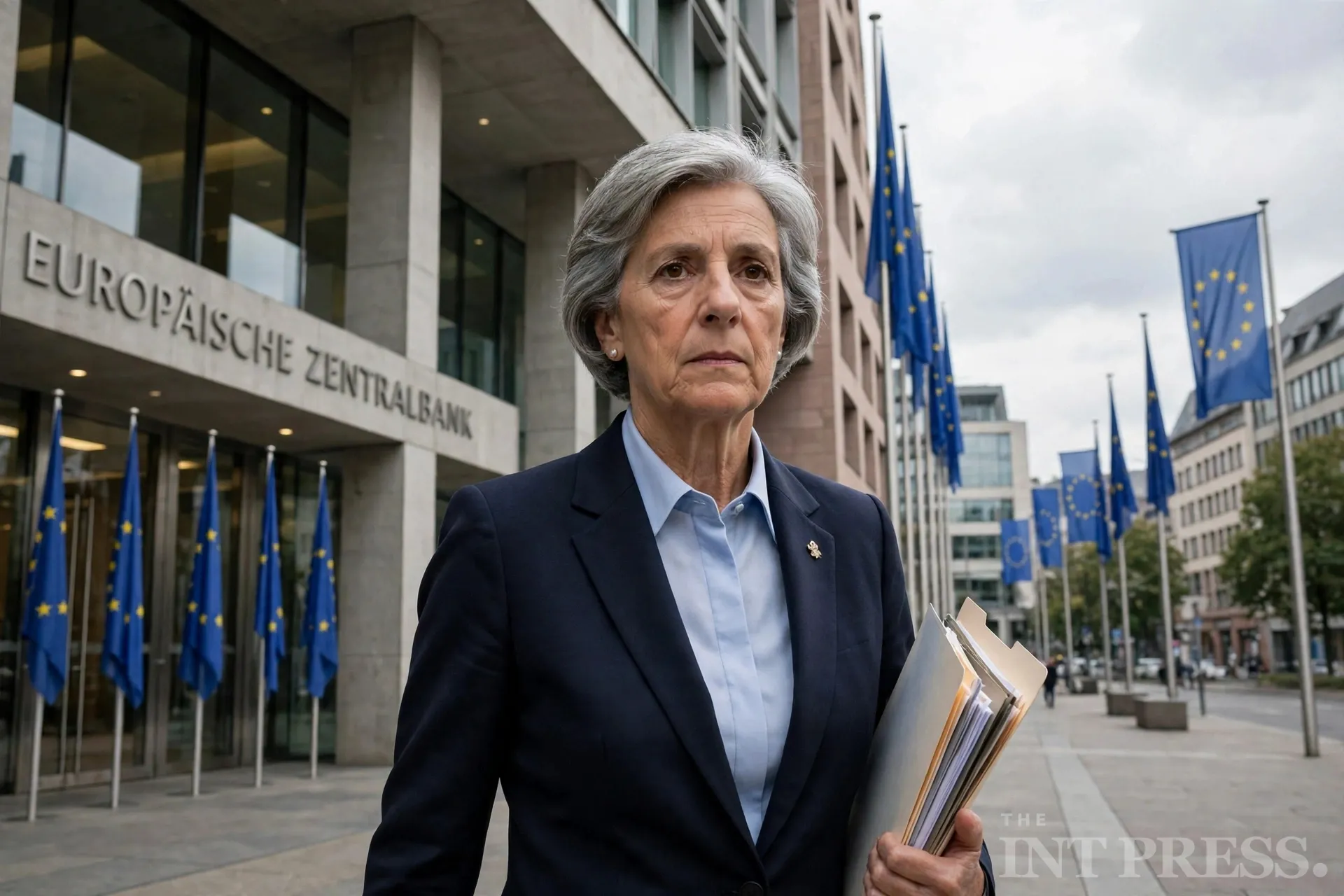
Big Moves in Frankfurt: Christine Lagarde’s Big Announcement
The official word is out:
Christine Lagarde is resigning as President of the European Central Bank.
She won't be leaving tomorrow, but the date is set. She will officially step down on February 7, 2027.
That puts her exit roughly nine months ahead of her full eight-year term, which was supposed to end in October 2027.
It might sound like typical high-level politics, but behind the headlines lies a clear strategy built around timing, stability, and avoiding unnecessary drama.
Steering Through Endless Crises
To understand why this move matters, look back at what Lagarde inherited when she took over in late 2019. She walked into a non-stop storm.
Just months into her tenure, COVID-19 hit.
The economic playbook went out the window overnight. Central bankers had to act fast to keep businesses alive, protect jobs, and save whole national economies from collapsing.
Then came the next series of blows:
- Massive energy price spikes
- Rising geopolitical tensions
- The highest inflation rates seen at supermarket checkouts in decades
Keeping the euro steady through all of that was a brutal task. People can argue over every interest rate hike her team made along the way.

But most leaders agree on one fact:
Lagarde guided Europe through its hardest economic stretch in recent history with remarkable calm and steady focus.
Why Step Down Early?
Why call it quits early instead of finishing out the clock?
In European politics, timing is everything. Leaving in early 2027 gives leaders a clean, open runway to pick her successor. No frantic, last-minute scrambles.
By stepping aside in early 2027, key European figures—like French President Emmanuel Macron and European Council President António Costa—can manage a smooth, orderly transition.
It ensures the handoff happens long before the next French presidential election turns national political pressure into an unpredictable headache.
When Lagarde broke the news to her colleagues on the ECB’s Governing Council, they gave her a long standing ovation.
It was a well-earned moment of respect for a career spent leading top law firms, serving as France's Finance Minister, running the International Monetary Fund (IMF), and steering the ECB through pure chaos.
Who takes the Reins Next?

The moment someone steps aside, the race begins.
Financial circles are already pointing to a few experienced names to take over the ECB helm:
- Pablo Hernández de Cos (former Governor of the Bank of Spain)
- Klaas Knot (former President of the Dutch Central Bank)
Over the next few months, EU leaders will deliberate on who has the right mix of street-smart diplomacy and financial grit to lead the region's economy forward.
For most people just trying to manage a household budget, central banks feel distant and clinical.
But the ECB President directly impacts your wallet—shaping mortgage rates, business loans, and how fast prices rise at the grocery store.
Lagarde’s announcement marks the beginning of the end of a wild era for the European economy. Over the next few months, as she gets ready to lock up her Frankfurt office, the focus shifts to what comes next.
She leaves behind a legacy of calm leadership under fire—and massive shoes to fill.

Written by theintpress
Stay updated with the latest online news and top stories visit theintpress.com every day.
Read Next
News
Portugal Sees Nationwide Protests Over Rising Housing Costs
7 days ago
News
Global Technology Debate Intensifies Over Artificial Intelligence and Education
7 days ago
EXCLUSIVE
World Leaders Prepare for New Economic and Trade Challenges
7 days ago
News
Iran Rejects German Demands Over Its Nuclear Enrichment Programme
7 days ago
News
Climate Change and Extreme Weather Remain Major Global Concerns
7 days ago
News
Imran Khan's Sisters Face Health Scare and Jail in Pakistan
3 weeks ago
Trending in Last 7 Days
News
Global Technology Debate Intensifies Over Artificial Intelligence and Education
7 days ago
News
World Leaders Prepare for New Economic and Trade Challenges
7 days ago
News
Portugal Sees Nationwide Protests Over Rising Housing Costs
7 days ago
News
Iran Rejects German Demands Over Its Nuclear Enrichment Programme
7 days ago
Responses (0)
Sign in to share your thoughts.
Sign in