
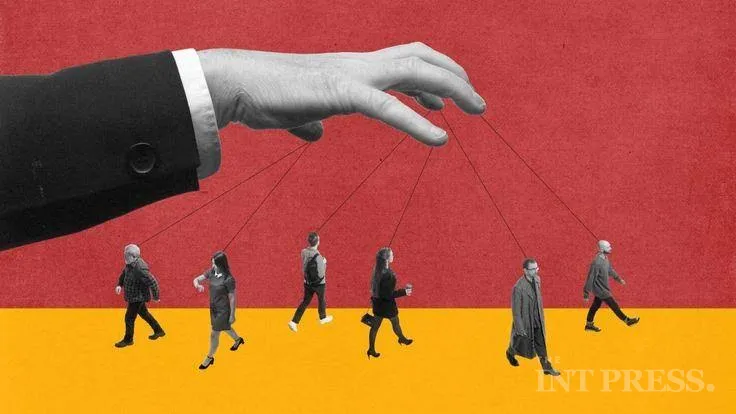
How Social Media Is Reshaping Political Campaigns Worldwide
There was a time when political campaigns felt distant. You saw a candidate on television, read about them in the newspaper, or heard their voice on the radio. You might attend a rally if you were especially interested, but for most people, politics arrived through someone else’s filter.
Now, it shows up in the palm of your hand.
Social media has quietly—and sometimes not so quietly—changed the way political campaigns work all over the world. Candidates can speak directly to voters, share a message in seconds, respond to criticism almost immediately, and build a following without needing a huge media budget. It has made politics feel closer, faster, and more personal. But it has also made it messier, louder, and easier to manipulate.

Politics in your pocket
One of the biggest changes is simple: candidates no longer have to wait for journalists or television networks to carry their message. A politician can post a video from a campaign stop, go live during a rally, answer questions in the comments, or explain a policy in a short clip that people can watch while waiting for coffee.
That direct access matters. It lets voters hear a candidate’s tone, sense their personality, and see how they respond when things do not go perfectly. A polished speech can only say so much; a candid video, a small joke, or an honest answer can make someone feel more real.
For voters, it can make politics feel less like something happening far away and more like a conversation they are part of. People can comment, share their concerns, ask questions, and see how others in their community are reacting. Research on digital campaigning shows that social media can increase political awareness, emotional connection, and even encourage people to take action, such as voting or volunteering.
A smaller campaign can make a bigger noise
Social media has also changed who gets a chance to be heard.
In the past, running for office often required access to money, party support, and traditional media coverage. Today, a first-time candidate with a clear message, a phone, and a little creativity can reach thousands—or even millions—of people. That does not guarantee victory, of course, but it gives newcomers a real opportunity to introduce themselves and compete for attention.

This has been especially important for grassroots movements and candidates who do not fit the usual political mold. Instead of waiting for permission from established institutions, they can build support directly with the people they hope to represent. Around the world, politicians have used platforms like Facebook, TikTok, X, Instagram, and WhatsApp to connect with younger voters, organize supporters, and turn online enthusiasm into real-world participation.
Campaigns now move at the speed of a scroll
Everything happens faster now.
A campaign can post something in the morning, watch how people respond by lunchtime, and change its message by the evening. Teams pay attention to what gets shared, what sparks conversation, and what makes people stop scrolling. That feedback can help them understand which issues matter most to voters and which messages are falling flat.
It can also help campaigns respond quickly during difficult moments. If a false claim starts spreading, a candidate can address it. If a local issue suddenly becomes important, a campaign can speak to it right away. In that sense, social media has made campaigns more responsive than they used to be.
But speed has a downside, too.
When outrage travels faster than truth
The same features that make social media powerful can also make it risky.
Platforms are designed to keep people engaged. Unfortunately, content that provokes strong emotions—anger, fear, outrage, or even laughter—often spreads faster than calm, careful explanations. That can push campaigns toward punchy slogans and dramatic moments rather than thoughtful conversations about complicated problems.
Misinformation is another serious concern. During elections, people may encounter misleading claims about candidates, policies, or even basic voting information. In one study of the UK’s 2024 general election, more than half of respondents said they had seen misleading information about candidates, and 61 percent said they had seen misleading information about parties’ policies.
When people cannot tell what is true, trust suffers. Some become cynical. Others disengage altogether. And that is a real loss, because healthy democracy depends on people feeling informed enough to participate.
Echo chambers and divided conversations
Social media can also trap us in bubbles.
If you mostly follow people who think like you, the algorithm may keep showing you more of the same. Over time, politics can start to feel less like a shared conversation and more like two groups shouting past each other. Researchers have found that algorithms can reinforce existing views and contribute to polarization by promoting content people already agree with.
That does not mean everyone online is hostile or closed-minded. Many people use social media to learn, debate respectfully, and discover perspectives they would never encounter offline. But the pressure to be dramatic, viral, and instantly persuasive can make genuine dialogue harder.
A more human kind of campaigning
Still, at its best, social media has made campaigns more human.
It gives candidates a chance to show up as people, not just as polished political figures. It lets supporters feel included in something bigger than themselves. It helps communities organize, share information, and hold leaders accountable in public.
The campaigns that do this well do not simply shout louder. They listen. They respond with care. They explain rather than merely attack. They understand that behind every screen is a person with real worries, hopes, and questions.
The road ahead
Social media is not going away from politics. If anything, it is becoming even more central as campaigns experiment with short videos, influencers, targeted advertising, and artificial intelligence. But the goal should not simply be to win attention. It should be to earn trust.
The best future for political campaigning is one where technology helps people connect rather than divide; where voters can hear directly from candidates without being overwhelmed by noise; and where honesty, empathy, and clarity matter as much as virality.
Because in the end, politics is not really about algorithms or trending topics. It is about people trying to shape the communities and countries they live in. Social media has changed how that conversation happens—but it is still up to all of us to make it a good one.


Responses (0)
Sign in to share your thoughts.
Sign in