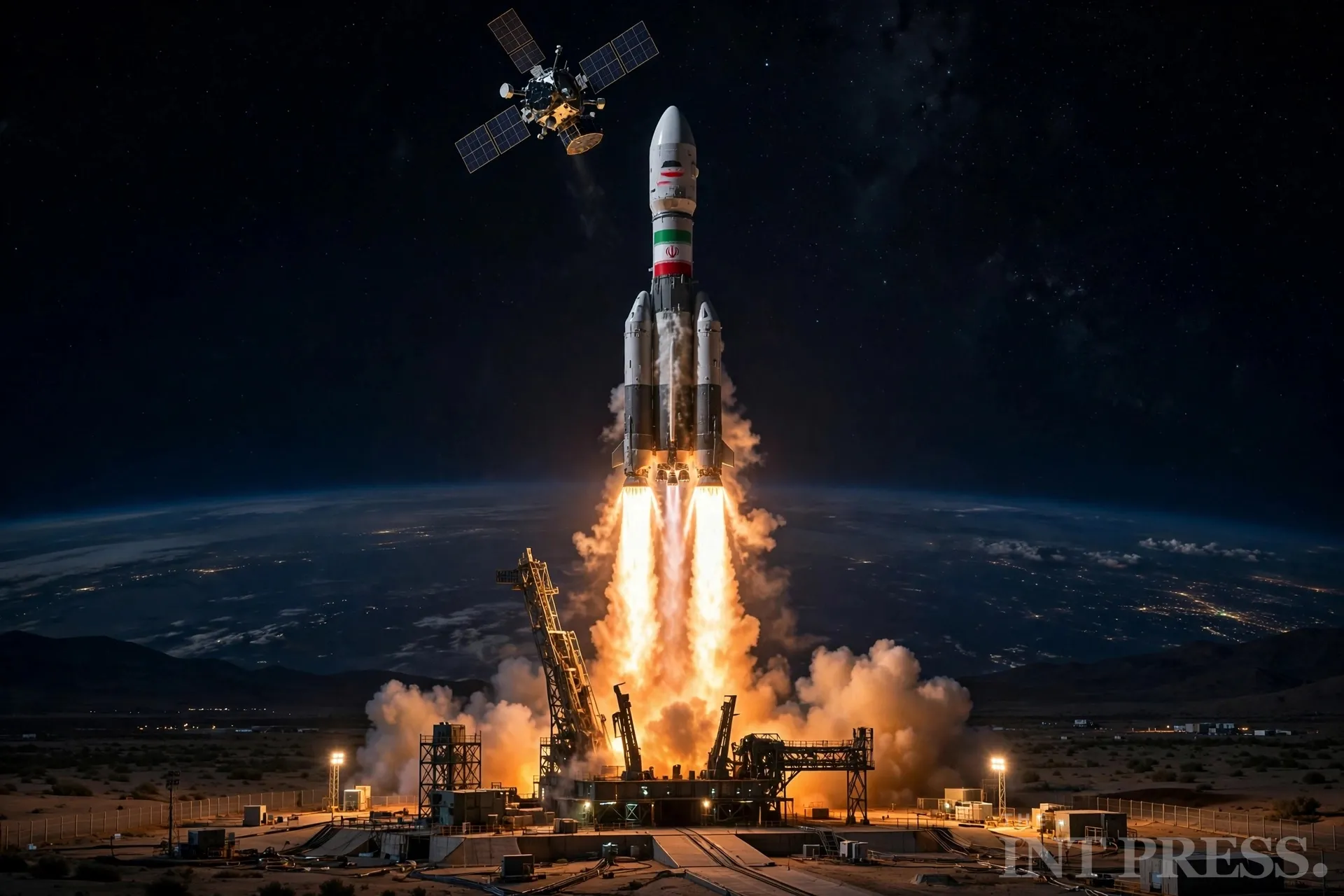
Iran Launches New Satellite into Orbit
If you've been following regional news, you might have caught word of a major space launch in the Middle East.
Iran sent a brand-new satellite into orbit.
While space launches usually get people excited about science and discovery, this one is making neighboring countries and defense officials pretty nervous.

What Actually Went Into Space?
The satellite was carried up by a multi-stage rocket and placed into low Earth orbit.
On paper, officials say the satellite is built for high-resolution imaging and environmental tracking.
It’s equipped with digital cameras designed to scan the ground from hundreds of miles up.
According to official reports, its primary job is to collect mapping data, monitor farm crops, and track natural disasters.
High-Res Cameras:
Capturing detailed images of terrain and local infrastructure.
Rapid Orbit:
Circling the Earth multiple times a day to gather fresh snapshots.
Local Tech:
Built using domestic engineering and local launch facilities.
Why Neighboring Nations Are Worried
So, why is a weather and imaging satellite causing so much friction? It really comes down to the tech behind the launch.
The big concern isn't just what the satellite does in orbit—it's the rocket that put it there.
The high-powered booster technology used to launch satellites into space is almost identical to the technology used in long-range ballistic missiles.
Neighboring countries and international monitors worry about a few key things:

Dual-Use Rockets:
Rocket engines that carry satellites can also be repurposed for long-range defense hardware.
Military Recon:
High-resolution cameras in space can easily track troop movements, air bases, and naval ports across borders.
Regional Tension:
Adding more surveillance tools into an already tense area makes everyone double down on their defense gear.
The Line Between Science and Defense
Space tech has always had a double identity. Almost every satellite orbiting Earth can be used for both civilian good and intelligence gathering.
A camera that measures crop health over farmland can just as easily take crisp photos of an airfield or oil refinery.
That overlap makes it super tricky for nearby nations to know for sure whether a launch is purely scientific or a defense test in disguise.
When trust is low, defense analysts usually prepare for the worst-case scenario, regardless of official announcements.
How the Region Is Responding
In response to frequent satellite launches, neighboring Gulf nations are stepping up their own defense tracking systems.
Nations across the region are pouring resources into advanced radar arrays, missile defense shields, and their own space programs.
Instead of relying entirely on outside allies for intelligence, regional defense teams are building local satellite networks to keep tabs on their own skies.
It’s creating a space race of sorts across the region, where every new launch by one country pushes others to upgrade their tracking tech.
The Growing Traffic in Low Earth Orbit
This launch is part of a much bigger shift happening all across the globe.
Getting into space isn't just for a couple of giant superpowers anymore.
Smaller nations and commercial companies are launching rockets almost every week.
Low Earth orbit is getting crowded fast with communication satellites, weather monitors, and imaging gear from all over the world.
Managing that crowded sky requires clear communication and shared ground rules—things that are tough to coordinate when regional politics are tense.
What Happens Next?
As the new satellite settles into its orbit, ground stations will start receiving its first batch of images. International observers will be watching closely to see how that data gets used.
Whether this launch leads to better environmental mapping or deeper political disagreements, one thing is clear:
space is no longer a neutral backdrop. It has become a key arena for regional security, technological pride, and constant watchfulness.

Written by theintpress
Stay updated with the latest online news and top stories visit theintpress.com every day.
Read Next
News
Portugal Sees Nationwide Protests Over Rising Housing Costs
7 days ago
News
Global Technology Debate Intensifies Over Artificial Intelligence and Education
7 days ago
EXCLUSIVE
World Leaders Prepare for New Economic and Trade Challenges
7 days ago
News
Iran Rejects German Demands Over Its Nuclear Enrichment Programme
7 days ago
News
Climate Change and Extreme Weather Remain Major Global Concerns
7 days ago
News
Imran Khan's Sisters Face Health Scare and Jail in Pakistan
3 weeks ago
Trending in Last 7 Days
News
Global Technology Debate Intensifies Over Artificial Intelligence and Education
7 days ago
News
World Leaders Prepare for New Economic and Trade Challenges
7 days ago
News
Portugal Sees Nationwide Protests Over Rising Housing Costs
7 days ago
News
Iran Rejects German Demands Over Its Nuclear Enrichment Programme
7 days ago
Responses (0)
Sign in to share your thoughts.
Sign in