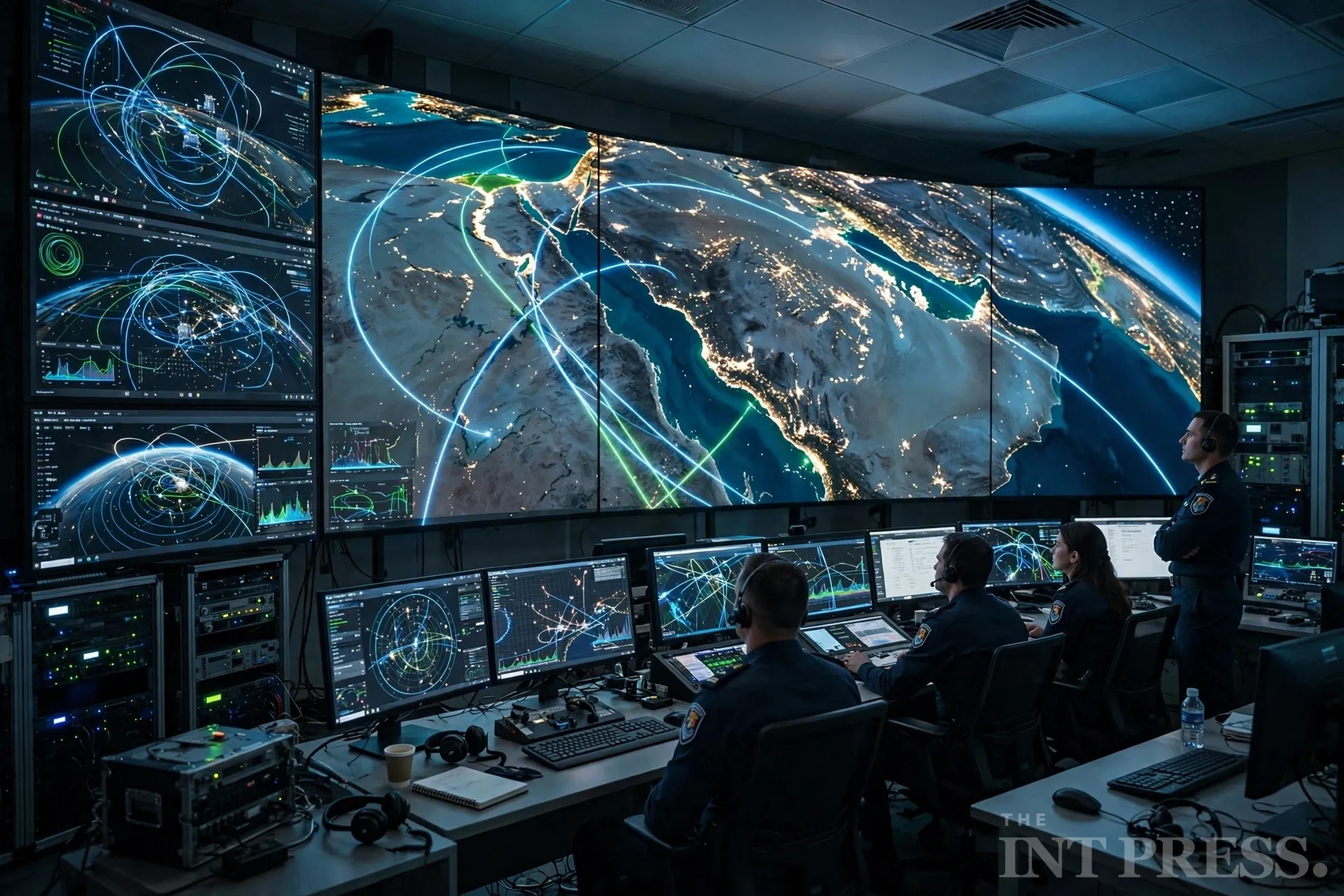
More Military Satellites Launch Quickly Across Gulf Countries,
If you look up at the night sky over the Gulf, you might not notice anything different. But hundreds of miles above us, things are changing fast.
Gulf nations are quietly launching military and observation satellites at a record pace.
For years, regional defense relied heavily on international partners for eye-in-the-sky intelligence.
Today, countries like the United Arab Emirates, Saudi Arabia, Qatar, and Oman are building, buying, and launching their own operational orbiters.
It is a massive shift in strategy. It moves regional defense out of the desert and straight into lower Earth orbit.
Why the Rush to Orbit?
Space used to be a luxury for super-powers. Now, it is a core requirement for national defense.
The Middle East is navigating a complex regional dynamic. Recent years showed how quickly modern threats evolve—from long-range drone strikes to fast-moving coastal incidents.
Waiting hours for satellite passes or relying o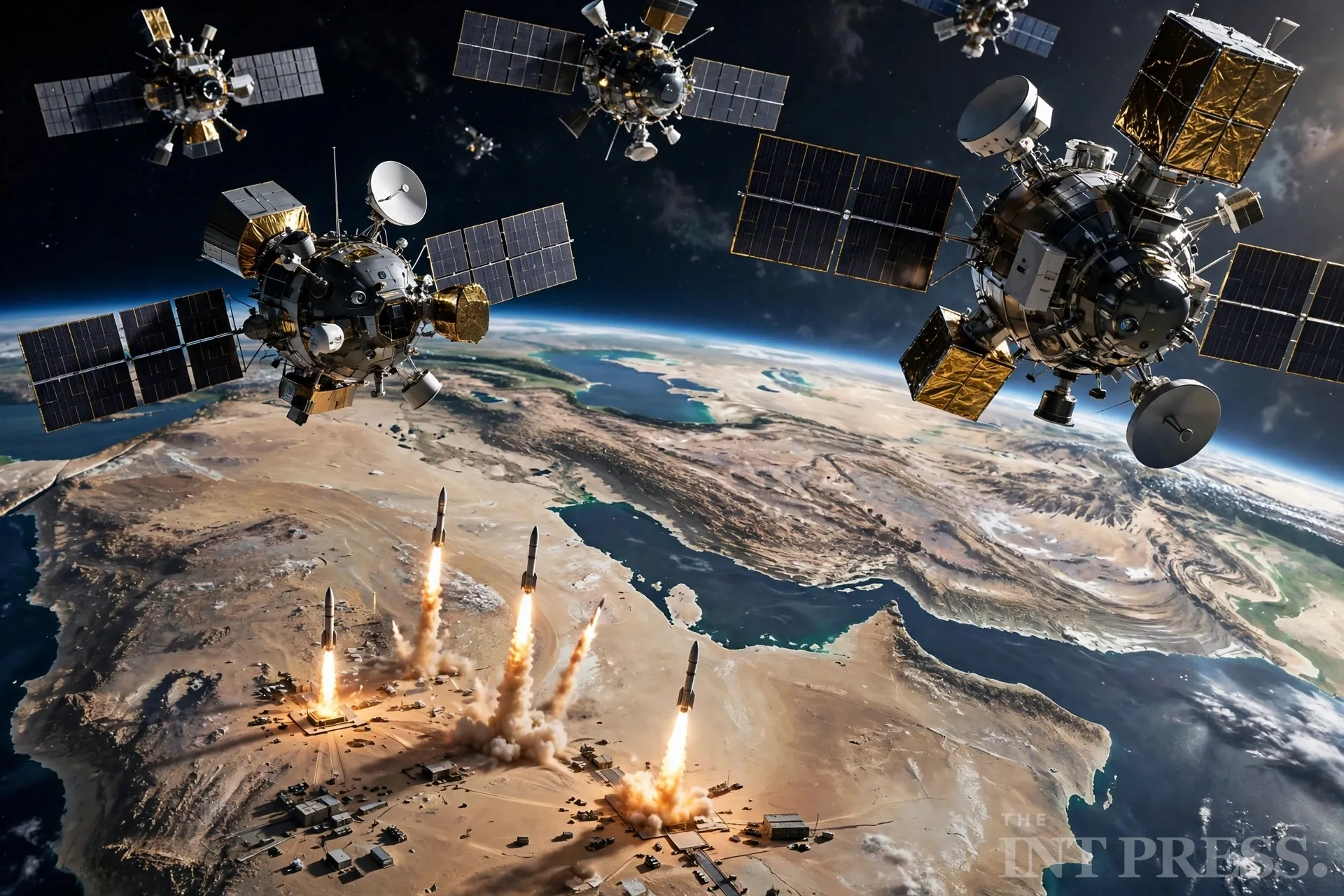
n foreign intelligence sharing creates dangerous blind spots. Real-time monitoring is no longer optional.
n foreign intelligence sharing creates dangerous blind spots. Real-time monitoring is no longer optional.
Having dedicated military satellites gives Gulf defense forces immediate perks:
- Instant Intelligence: High-resolution radar and optical cameras track border movements day or night.
- Secure Communications: Encrypted lines keep military command centers connected without outside interference.
- Early Warning Systems: Infrared sensors detect thermal signatures, giving early alerts on potential missile launches.
Shifting from Buyers to Builders
What makes this surge so interesting isn't just how many satellites are going up.
It is how they are being made.
Historically, nations bought turnkey satellites off the shelf from global aerospace giants.
Now, local space agencies are demanding technology transfers, joint ventures, and domestic assembly lines.
Take the UAE, for example. Millions have been poured into local space research centers, allowing local engineers to lead the design and assembly of advanced imaging satellites.
Saudi Arabia’s Space Agency is following a similar path, tying its space ambitions directly to its Vision 2030 modernization goals.
Smaller, low-cost satellites called CubeSats have also changed the game. Instead of waiting five years to build one giant, multi-billion-dollar satellite, defense agencies can deploy constellations of small satellites in months.
If one goes down, others instantly cover the gap.
The Broader Impact
This isn't just about defense capabilities. Building a space program reshapes whole domestic economies.
It attracts top global talent, funds local technical universities, and creates high-tech engine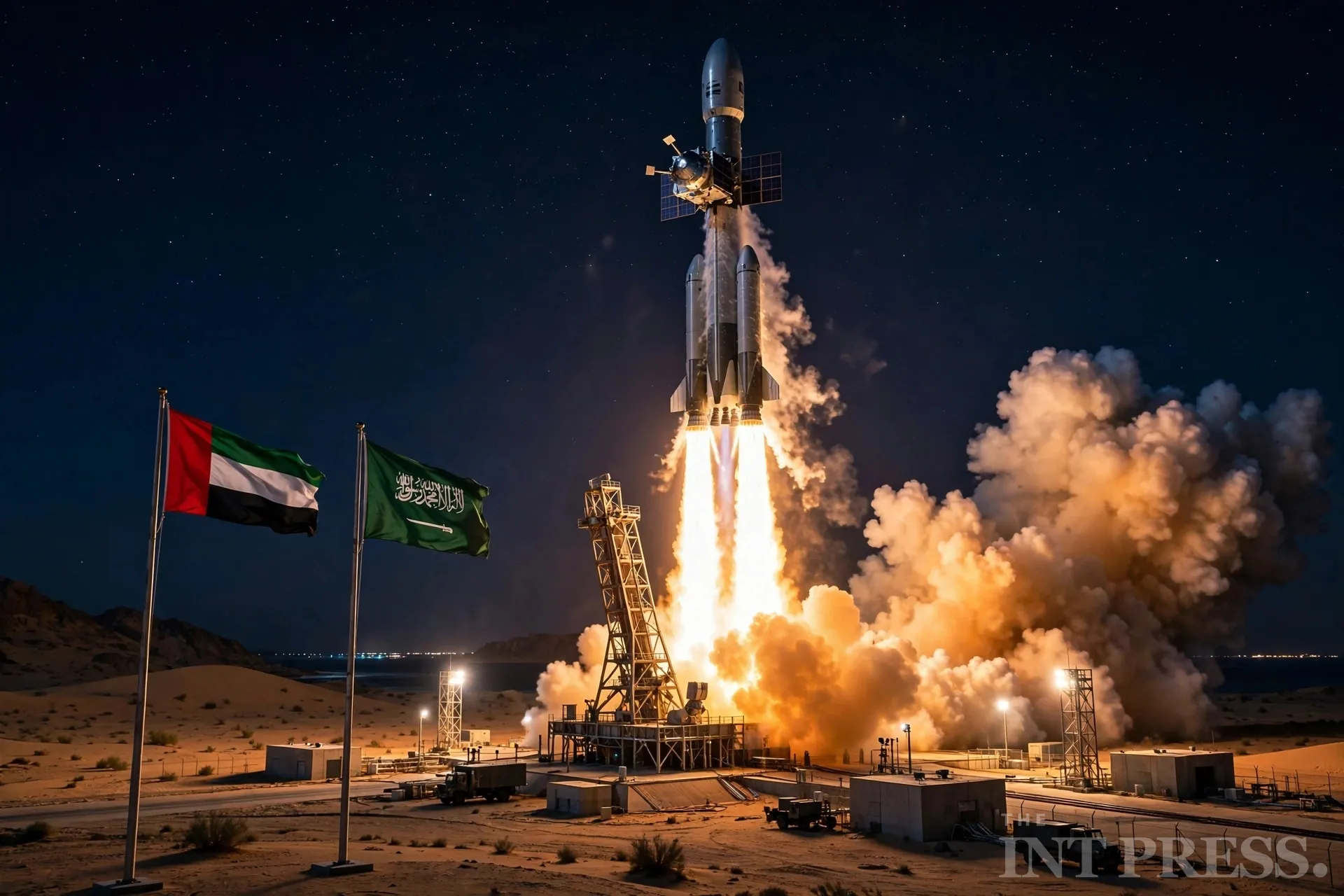
ering jobs for young professionals across the region.
ering jobs for young professionals across the region.
It shifts the economic base away from oil and toward deep-tech innovation.
At the same time, it redefines regional diplomacy.
Nations with advanced space networks hold serious strategic leverage. They can offer surveillance data and secure communication channels to allies, strengthening regional partnerships.
What Lies Ahead
The high-speed deployment of military space tech across the Gulf shows no signs of slowing down.
As commercial rocket launches become cheaper and satellite technology shrinks, more localized hardware will ride into orbit.
The sky is no longer just a backdrop over the Gulf. It has become the front line of modern defense, independence, and technological pride.

Written by theintpress
Stay updated with the latest online news and top stories visit theintpress.com every day.
Read Next
News
Portugal Sees Nationwide Protests Over Rising Housing Costs
7 days ago
News
Global Technology Debate Intensifies Over Artificial Intelligence and Education
7 days ago
EXCLUSIVE
World Leaders Prepare for New Economic and Trade Challenges
7 days ago
News
Iran Rejects German Demands Over Its Nuclear Enrichment Programme
7 days ago
News
Climate Change and Extreme Weather Remain Major Global Concerns
7 days ago
News
Imran Khan's Sisters Face Health Scare and Jail in Pakistan
3 weeks ago
Trending in Last 7 Days
News
Global Technology Debate Intensifies Over Artificial Intelligence and Education
7 days ago
News
World Leaders Prepare for New Economic and Trade Challenges
7 days ago
News
Portugal Sees Nationwide Protests Over Rising Housing Costs
7 days ago
News
Iran Rejects German Demands Over Its Nuclear Enrichment Programme
7 days ago
Responses (0)
Sign in to share your thoughts.
Sign in