
US Military Keeps Eyes on Strange Objects Over Middle East Skies
If you follow military news, you’ve probably heard about the weird stuff showing up in the skies over the Middle East lately.
US military tracking systems are picking up unidentified objects moving through regional airspace.
These aren't just rumors or internet stories.
They’re being caught on high-tech cameras and radar carried by drones and jet fighters.
It’s the kind of thing that gets people talking right away.
But behind all the hype, defense crews are treating it as a serious, everyday safety job.
What Are Pilots Actually Seeing Up There?
The military doesn't really use the word "UFO" anymore. They call them UAPs—Unidentified Anomalous Phenomena.
In a lot of these clips, thermal cameras spot small, metallic-looking spheres just drifting through the air. They don't have visible wings, engines, or smoke coming out the back. Yet, they move smoothly across the sky at steady speeds.
When a pilot or drone operator sees something on their screen that doesn't belong, they don't guess. They record the footage, log the coordinates, and pass the data up to experts for analysis.
What Could These Objects Actually Be?
While internet forums love talking about aliens, military analysts look at far more realistic options first.
The Middle East has some of the most heavily monitored airspace in the world.
When a weird blip shows up, experts usually focus on three main possibilities:
Advanced Recon Drones:
Small, custom-built spy drones are cheap now. Rival groups often use them to test local air defenses.
Weather Balloons and Gear:
Research balloons, weather sensors, and lost commercial drones look surprisingly strange on thermal cameras.
Radar and Heat Tricks:
Extreme desert heat waves and radio signals can sometimes create fake "ghost" targets on military screens.
Because regional security is so strict, defense teams can't ignore anything. Every unverified object gets checked out until they know exactly what it is.
How Defense Teams Handle It
Tracking unknown targets takes more than just staring at a monitor.
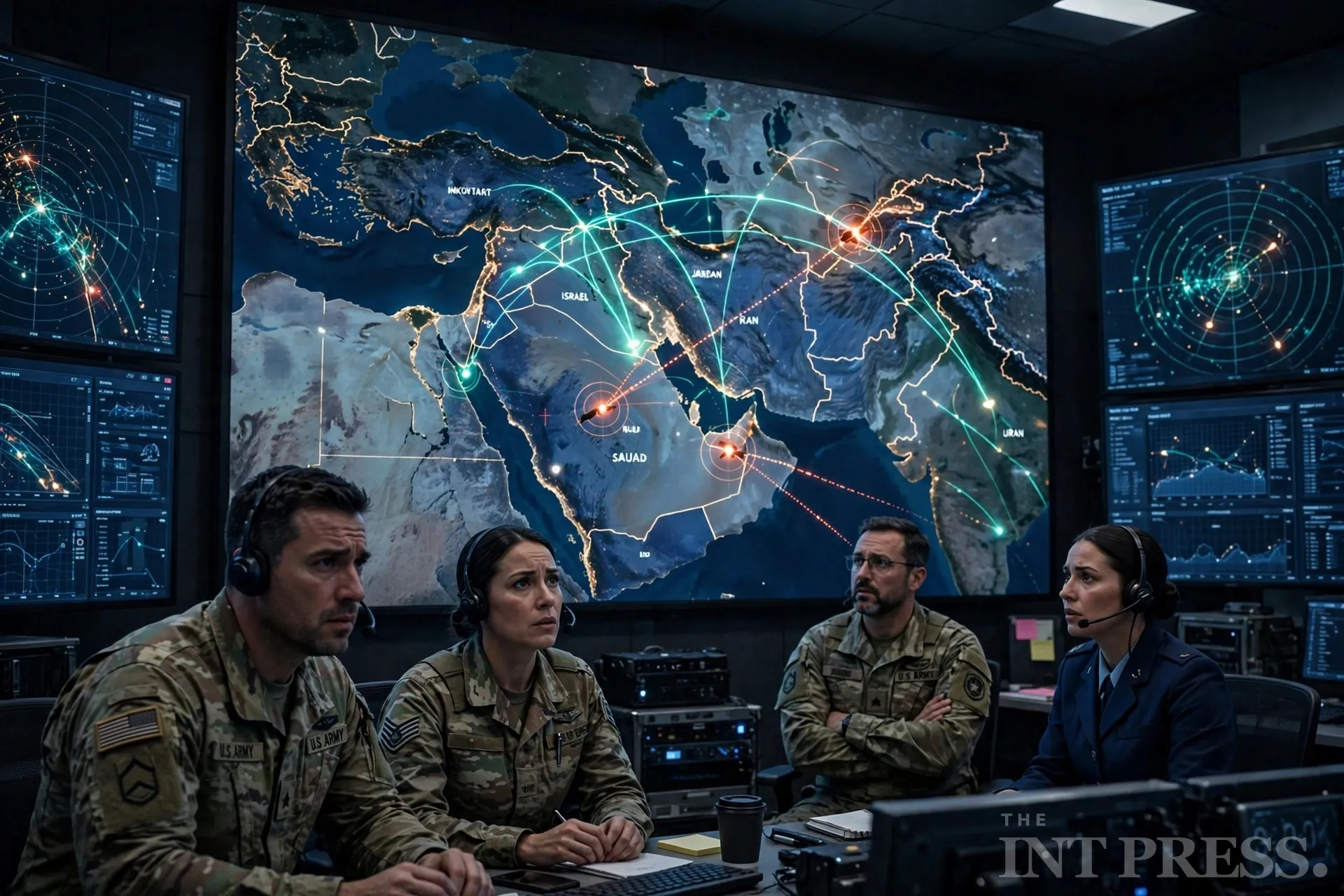
It requires fast teamwork.
When an unknown object enters a flight path, military teams use multiple tools at once.
They combine standard radar, infrared heat cameras, and electronic signal trackers.
Putting all that data together gives them a clear picture in seconds.
If an object stays near restricted airspace, jets or secondary drones get sent up to take a direct look.
The goal is simple: keep commercial planes safe and protect ground bases.
Why Sharing Data Matters
Managing busy airspace isn't something one country can do alone. Unknown objects don't care about borders, so quick communication between allies is key.
US forces work closely with local defense partners across the Gulf to share radar feeds in real time.
Sharing data instantly helps tell the difference between a harmless flight mistake and a real security threat.
This kind of teamwork keeps everyone calm and prevents accidental escalations over a radar blip.
A Huge Change in Military Culture
A few years ago, pilots kept quiet about weird sightings because they didn't want to sound crazy.
That mindset has completely flipped.
Today, commanders actively tell pilots to report everything they see.
Defense departments even built special task forces to gather sensor clips, organize reports, and investigate them properly.
Reporting these sightings is no longer taboo—it's standard safety protocol.
What Happens Next?
As cameras get sharper and drone tech gets cheaper, we'll probably see even more of these reports coming out.
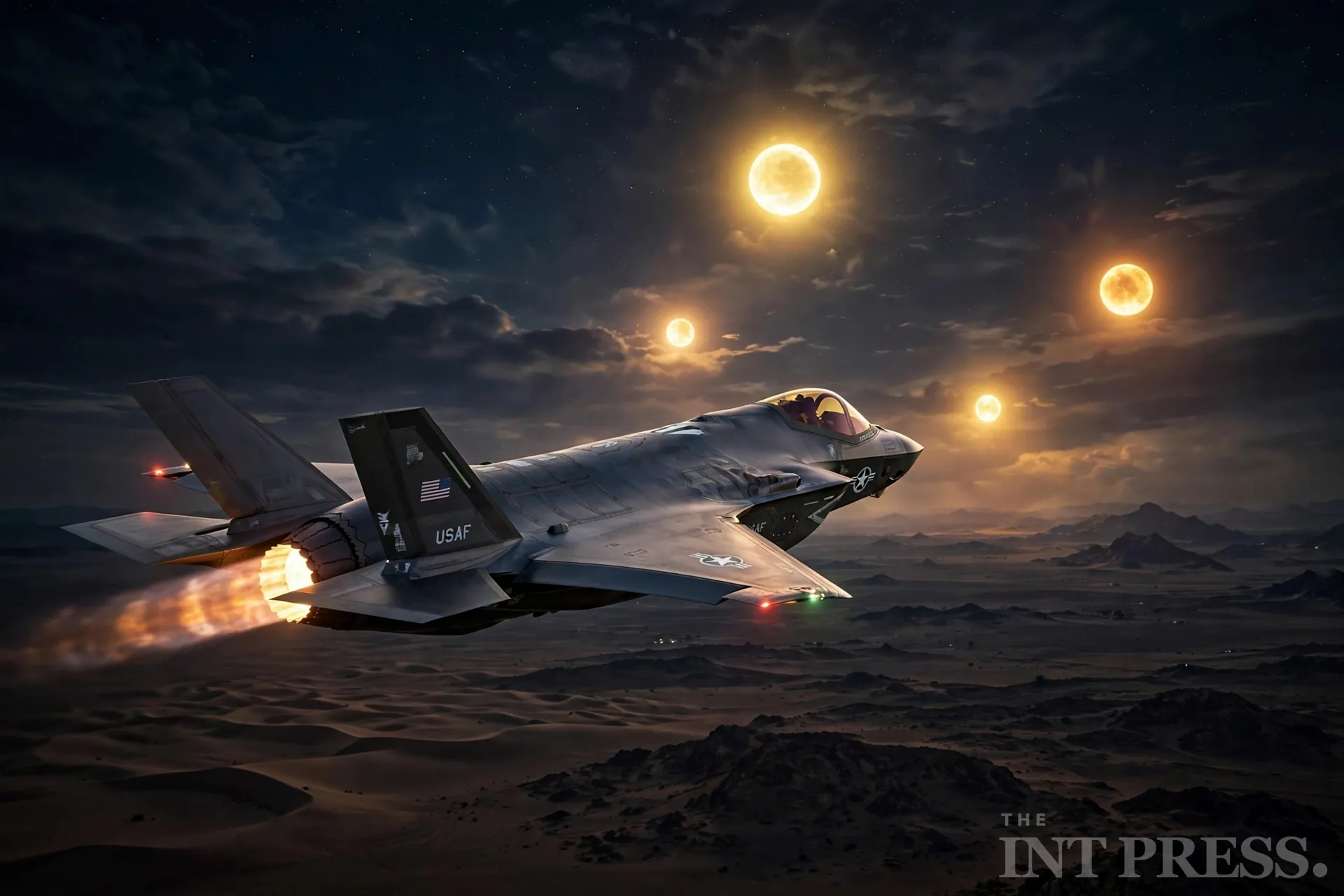
The skies over the Middle East are packed with commercial flights, jet patrols, and satellite signals. Keeping a close watch on mysterious objects isn't about chasing science fiction—it's about keeping the airspace clear and safe for everyone.
Whether these blips turn out to be high-tech drones or simple weather gear, defense crews aren't taking their eyes off the sky anytime soon.

Written by theintpress
Stay updated with the latest online news and top stories visit theintpress.com every day.
Read Next
News
Portugal Sees Nationwide Protests Over Rising Housing Costs
7 days ago
News
Global Technology Debate Intensifies Over Artificial Intelligence and Education
7 days ago
EXCLUSIVE
World Leaders Prepare for New Economic and Trade Challenges
7 days ago
News
Iran Rejects German Demands Over Its Nuclear Enrichment Programme
7 days ago
News
Climate Change and Extreme Weather Remain Major Global Concerns
7 days ago
News
Imran Khan's Sisters Face Health Scare and Jail in Pakistan
3 weeks ago
Trending in Last 7 Days
News
Global Technology Debate Intensifies Over Artificial Intelligence and Education
7 days ago
News
World Leaders Prepare for New Economic and Trade Challenges
7 days ago
News
Portugal Sees Nationwide Protests Over Rising Housing Costs
7 days ago
News
Iran Rejects German Demands Over Its Nuclear Enrichment Programme
7 days ago
Responses (0)
Sign in to share your thoughts.
Sign in