
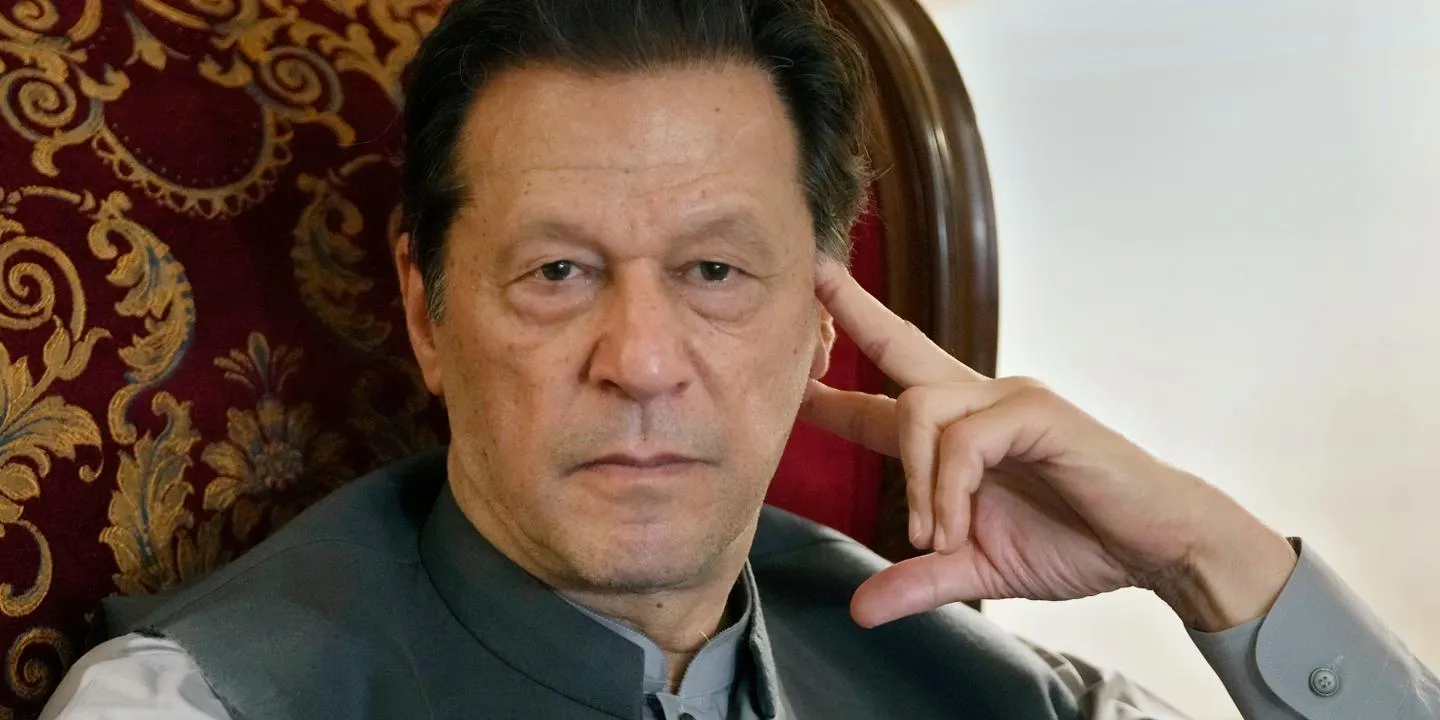
Imran Khan, Pakistan’s former prime minister and founder of the Pakistan Tehreek-e-Insaf (PTI), has been imprisoned since August 2023 at Adiala Jail in Rawalpindi. He faces multiple convictions and ongoing cases related to corruption, mishandling of state gifts (Toshakhana cases), the Al-Qadir Trust land deal, leaking of state secrets (the cipher case, later overturned), and charges linked to the violent May 9, 2023 protests that followed his initial arrest. Sentences have included terms of 3 years, 10 years, 14 years, and later 17 years in various matters, with some suspended or overturned on appeal while others keep him detained. Khan and his supporters maintain that the cases are politically engineered; authorities insist they reflect legitimate accountability.
The deeper explanation lies in the long-standing dynamics of civil-military relations in Pakistan, where the military establishment has historically wielded decisive influence over politics. Khan’s trajectory from beneficiary of military support to its most prominent critic helps explain the sustained effort to keep him sidelined.
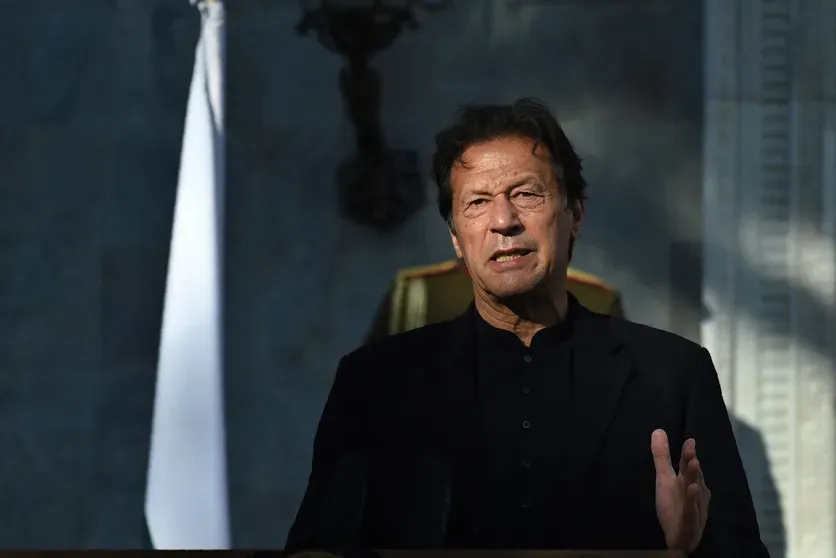
From Ally to Adversary
Khan’s rise to power in the 2018 elections was widely viewed as having benefited from the military’s tacit or active backing. He was seen as a charismatic outsider who could challenge the traditional dynastic parties (primarily the Sharif family’s PML-N and the Bhutto-Zardari PPP) while offering the institution a more acceptable civilian face.
That relationship collapsed. Key flashpoints included disputes over senior military appointments (notably the ISI chief), differences on foreign policy—particularly Khan’s outreach to Russia and his public claims of a foreign conspiracy involving the United States against his government—and broader disagreements over governance amid economic difficulties. In April 2022, Khan was removed via a parliamentary no-confidence vote that many analysts and Khan himself attributed to military engineering.
After his ouster, Khan transformed into an unusually direct civilian critic of the military’s political role. He accused successive army chiefs and the broader establishment of orchestrating his removal, manipulating politics, and undermining democracy. This public confrontation was rare in Pakistani politics, where politicians have traditionally avoided open challenges to the institution’s core prerogatives.
Core Motivations for Prolonged Detention
Several interlocking factors emerge from reporting and analysis:
Threat to institutional primacy and internal cohesion.
Khan’s popularity especially among urban middle classes in Punjab, the military’s traditional recruitment heartland—gave him an independent political base. Analysts note that the military feared he could sow discord within its ranks or erode its carefully cultivated image of institutional integrity. His rhetoric after 2022 was seen as crossing red lines by questioning the military’s role and, after the May 9, 2023 violence (which included attacks on military installations and a senior officer’s residence), as having encouraged direct confrontation. From the establishment’s perspective, this made him uniquely dangerous.
Prevention of a return to power and potential retaliation.
A free Khan capable of contesting or influencing elections would pose the risk of him returning to office with a strong popular mandate. Analysts argue the military and its civilian partners fear he would seek accountability or revenge against those involved in his removal and subsequent legal cases. Keeping him incarcerated neutralizes the only political force currently capable of mobilizing large-scale public opposition.Personal and institutional rivalries.
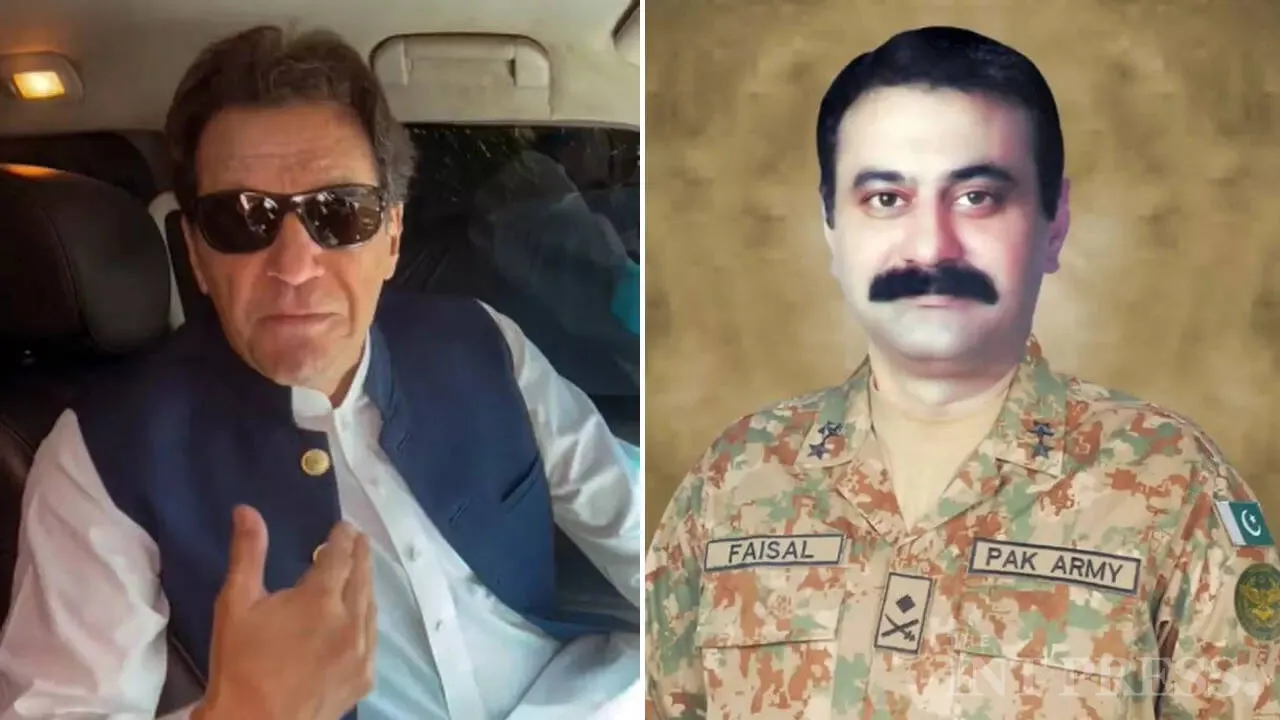
Tensions with current military leadership, including Field Marshal Asim Munir, have a personal dimension rooted in earlier professional differences (including Khan’s role in Munir’s earlier sidelining as ISI chief). The May 9 events further hardened positions. Reports indicate that offers of political accommodation have been floated conditional on Khan abandoning confrontation with the military—an approach he has so far rejected.Broader system maintenance.
Pakistan’s political system has long featured the military as the ultimate arbiter that selects or discards civilian governments. Khan’s challenge threatened this model. His continued detention signals that open defiance of the establishment carries severe costs, while also reassuring external partners that the military remains the reliable interlocutor on security and strategic matters.Legal Cases and Political Context
The official cases center on alleged financial impropriety (Toshakhana gift sales and the Al-Qadir Trust) and security-related charges. Some convictions have been suspended or overturned (notably the cipher case), while new or parallel proceedings have kept him detained. Critics, including PTI and international observers, describe the process as selective and timed to political calendars—particularly around the 2024 elections, in which PTI-backed independents still performed strongly despite Khan’s absence and party restrictions. Supporters of the cases argue that no one is above the law and that Khan’s governance record included real failures.
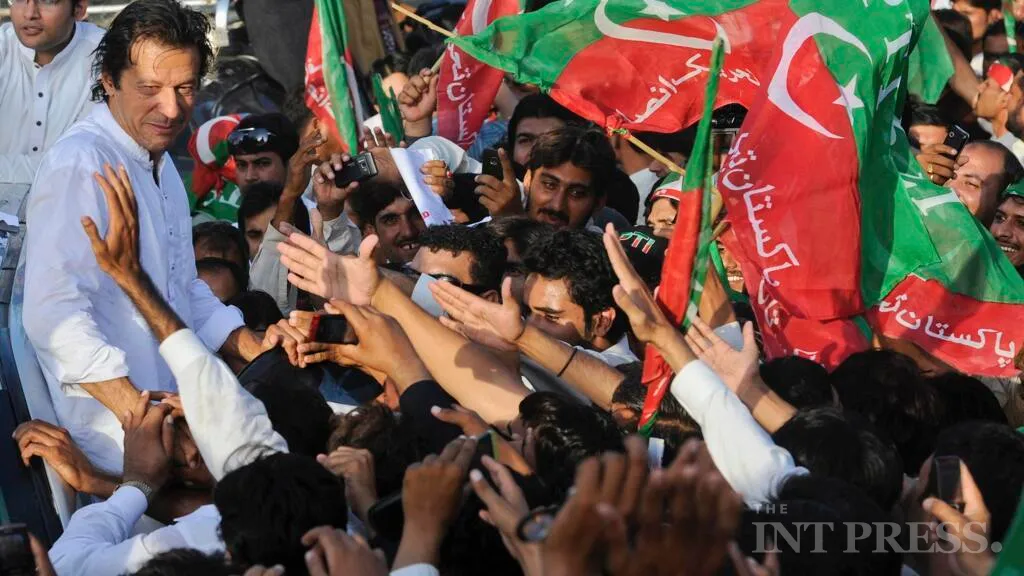
The result has been paradoxical: prolonged imprisonment has, according to many accounts, enhanced Khan’s status as a symbol of resistance rather than diminishing his appeal. His party continues to command significant public support, and his incarceration has become a focal point for opposition politics.
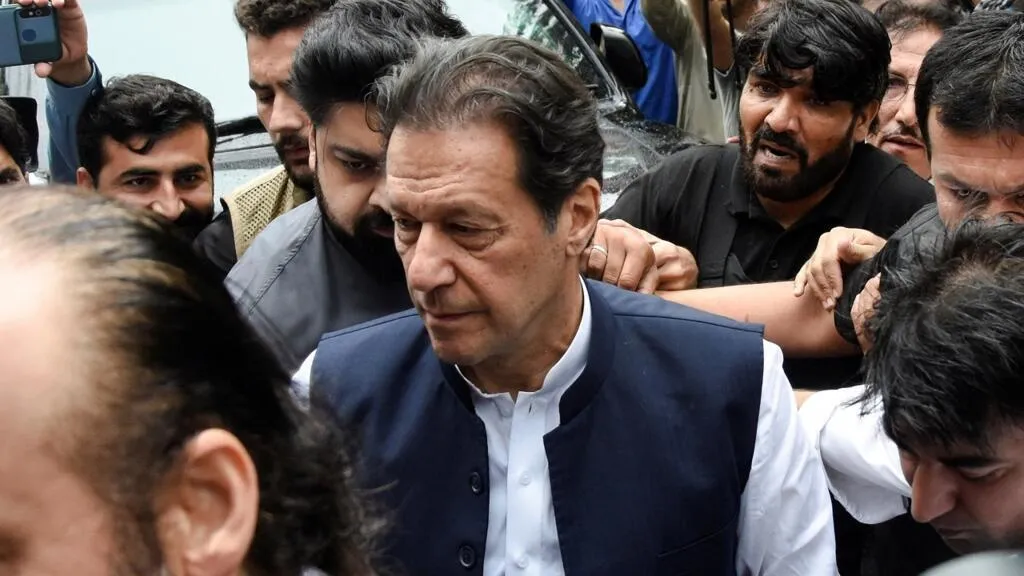
The Moral of the story is
The military establishment’s interest in keeping Imran Khan in jail is not reducible to any single court case. It reflects a calculated effort to neutralize a former ally who became an independent political force willing to challenge the institution’s dominant role in Pakistani politics. Whether this approach succeeds in the long term remains uncertain; history shows that sidelining popular leaders can sometimes amplify their influence. What is clear is that Khan’s detention is inseparable from the deeper contest over who ultimately controls political power in Pakistan.
Responses (0)
Sign in to share your thoughts.
Sign in