
News Analysis: Imran Khan’s “Dirty Harry,” Asim Munir’s Grip on the Army, and Pakistan’s New-Style Power Consolidation
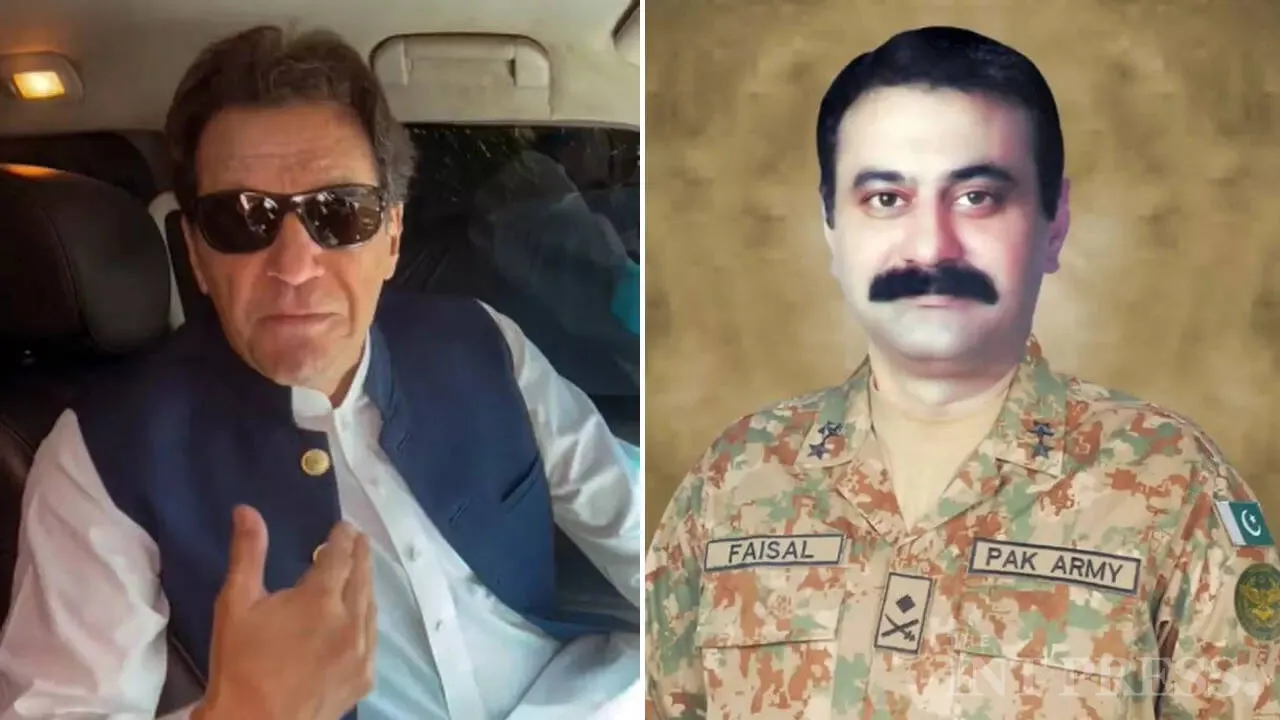
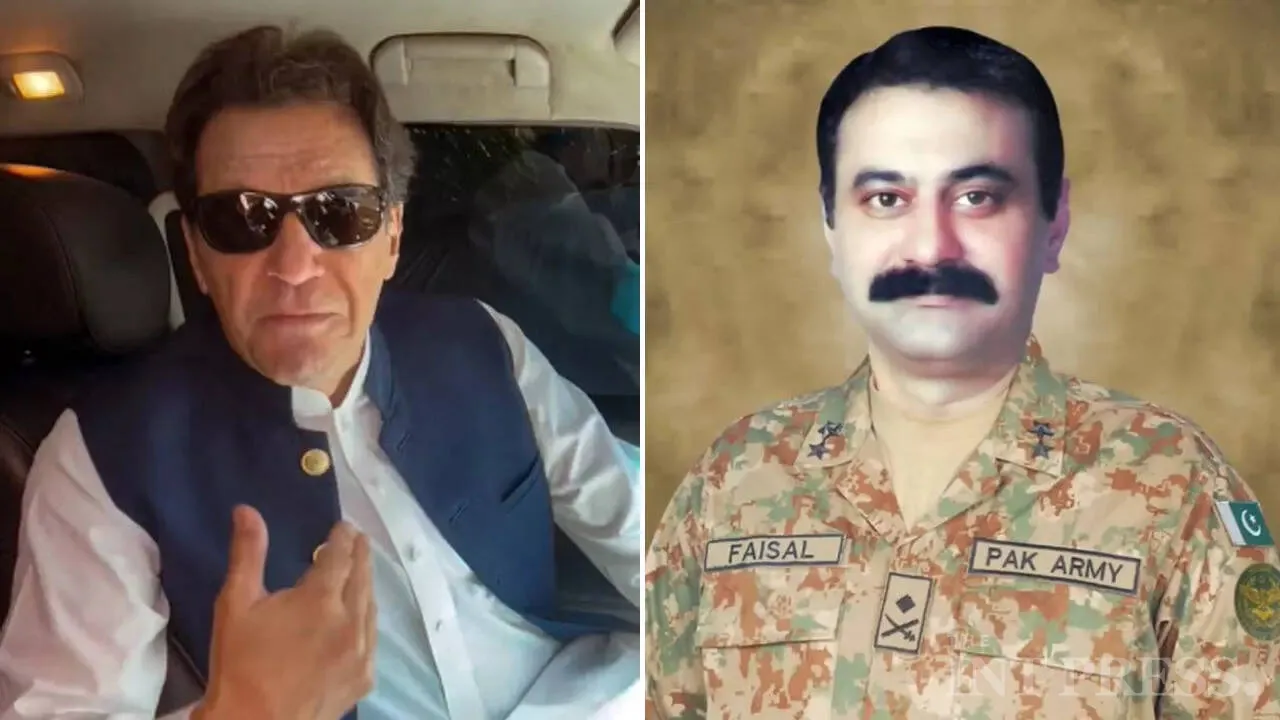
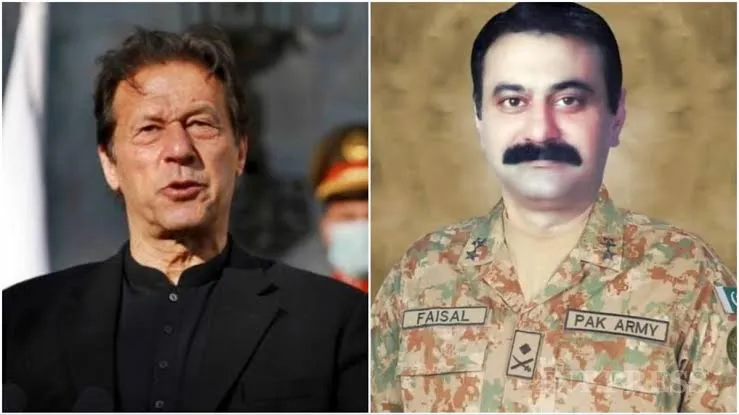
In Pakistan’s long-running civil-military confrontation, former Prime Minister Imran Khan has repeatedly invoked the nickname “Dirty Harry” for a senior Inter-Services Intelligence (ISI) officer, Major General Faisal Naseer. The reference draws from the Clint Eastwood film character known for bending rules and using extreme methods. Khan has used the moniker to accuse Naseer of orchestrating assassination attempts against him, involvement in the killing of journalist Arshad Sharif, and the torture of PTI leaders such as Senator Azam Swati.
The “Dirty Harry” rhetoric fits into a deeper personal and institutional rivalry with Field Marshal Asim Munir, the current army chief and now Chief of Defence Forces. The feud traces back to 2019, when Munir, then ISI director-general under Khan’s government, began probing alleged financial irregularities linked to Khan’s wife, Bushra Bibi. Khan pushed for Munir’s removal after only about eight months in the post — one of the shortest tenures for an ISI chief. Munir was reassigned, but the episode created lasting bitterness.
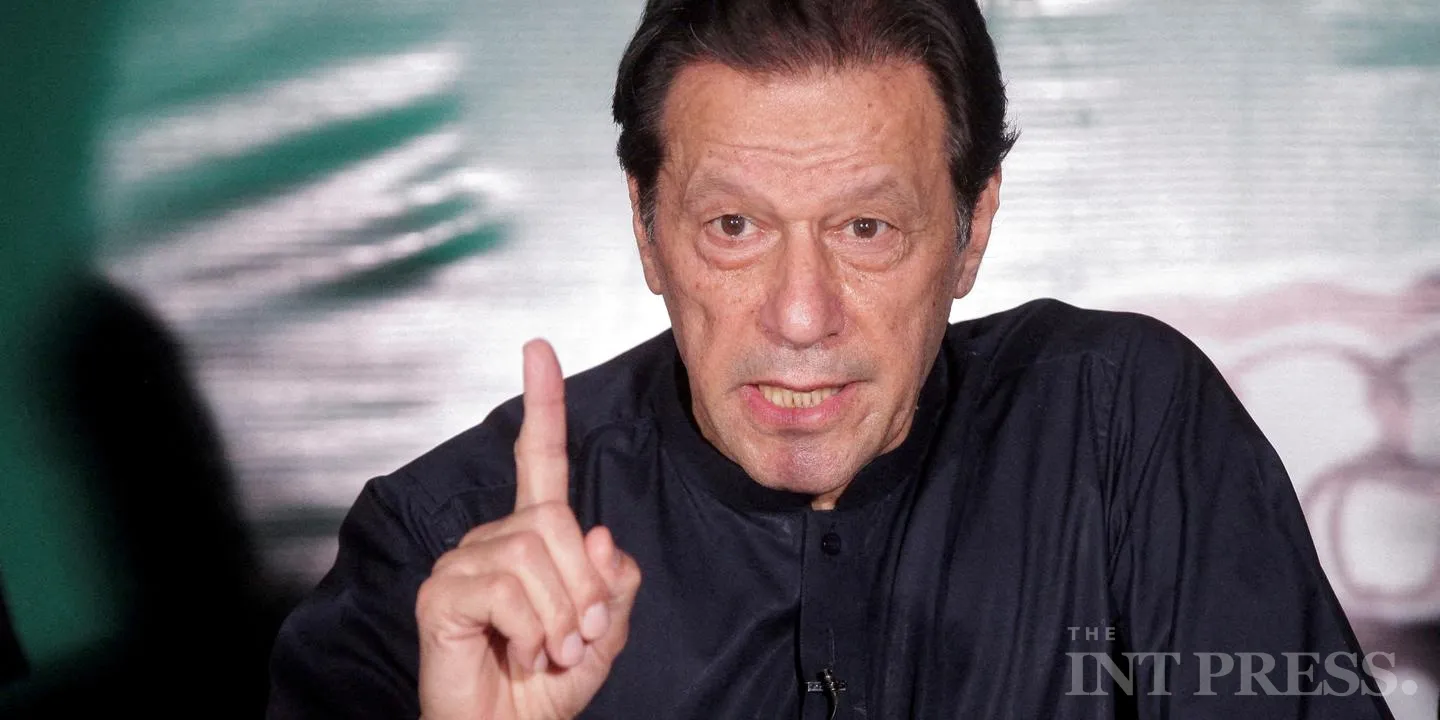
After Khan’s ouster in 2022 via a no-confidence vote, Munir became army chief in November 2022. From that position he has overseen a sustained crackdown on PTI: Khan’s arrest in 2023, multiple cases against him and senior leaders, restrictions on protests, and what critics describe as systematic isolation of Khan in Adiala Jail. Khan has called Munir the “most oppressive dictator” in Pakistan’s history, accused him of turning the country into a “hard state” through force rather than constitutional rule, and labeled the system “Asim Law” or the “law of the jungle.” He has claimed the military establishment has exhausted every other option against him and that only murder remains.
Munir’s power has expanded far beyond a conventional army chief. In 2025 he was elevated to Field Marshal (only the second in Pakistan’s history after Ayub Khan). Constitutional changes, including the 27th Amendment, created the post of Chief of Defence Forces, which Munir holds concurrently with Chief of Army Staff. This places the army, navy, and air force under his operational command, abolishes the older Chairman Joint Chiefs role in its previous form, and grants him extensive authority over personnel, strategy, and national security advice to the prime minister. He has also received lifelong legal immunity. Analysts describe this as the formalization of military dominance inside a civilian shell — a “quiet coup” or “Munir model” that avoids classic martial-law declarations while concentrating authority.
Why does the Munir-led establishment seek this degree of control? From the military’s perspective, it restores institutional primacy after the turbulence of Khan’s confrontational politics, the May 2023 attacks on military installations by PTI supporters, and the need for stable command over security, economy-related diplomacy, and nuclear/strategic assets. Critics, including Khan’s camp and some independent observers, argue it is personal revenge combined with a determination to permanently neutralize a popular challenger who once enjoyed military backing but later openly defied the establishment. The result, they say, is de facto authoritarian rule without the formal imposition of martial law.
Is this “martial law in a new style”? Traditional martial law in Pakistan (1958, 1977, 1999) involved the army chief assuming direct executive power, suspending the constitution, and ruling by decree. The current arrangement keeps a civilian prime minister and parliament in place while the military’s top officer holds unmatched legal and operational authority, lifetime protections, and the ability to shape politics from a position of formal supremacy. Khan and his supporters call it dictatorship by another name. Supporters of the arrangement present it as necessary institutional reform and continuity. The practical effect is an unprecedented concentration of power in one military figure while democratic forms continue on the surface.
Khan remains in prison on multiple convictions he and his party insist are politically motivated. His health, isolation, and restricted access to family and lawyers continue to fuel protests and international attention. The “Dirty Harry” label, the personal Munir-Khan feud rooted in 2019, and the legal entrenchment of Munir’s command together illustrate how Pakistan’s civil-military imbalance has evolved into a more formalized, hybrid form of military dominance.
Responses (1)
Sign in to share your thoughts.
Sign in