US CENTCOM Disables Three Iranian Oil Tankers in Gulf of Oman Retaliation
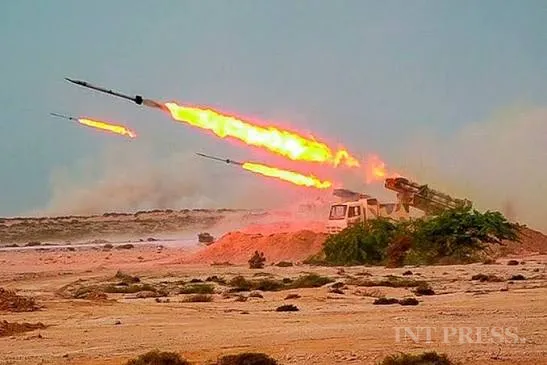
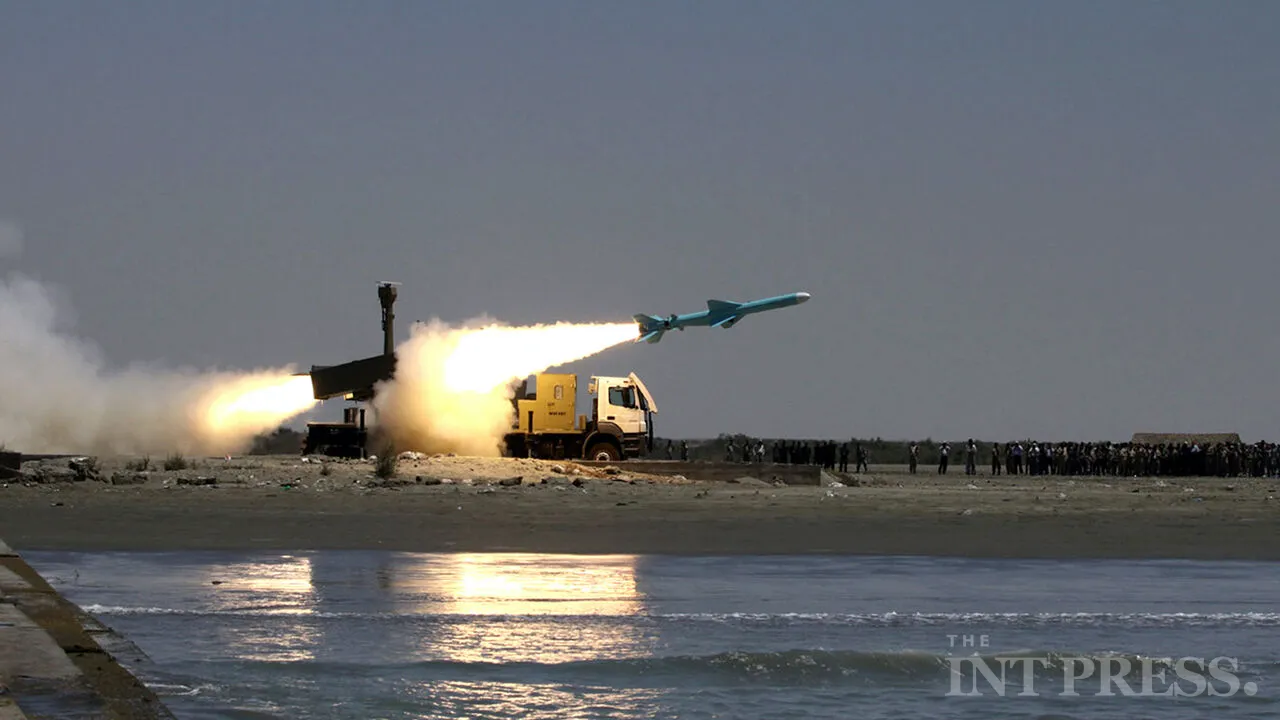
In the sharpest maritime escalation since the conflict began, Iran’s Islamic Revolutionary Guard Corps (IRGC) launched a Qasem Basir medium-range anti-ship ballistic missile at a US nuclear-powered aircraft carrier operating in the Gulf of Oman on Saturday. The missile, which has a reported range of roughly 1,200 kilometers, marked the first known attempt by Iran to directly target a US carrier with this system.
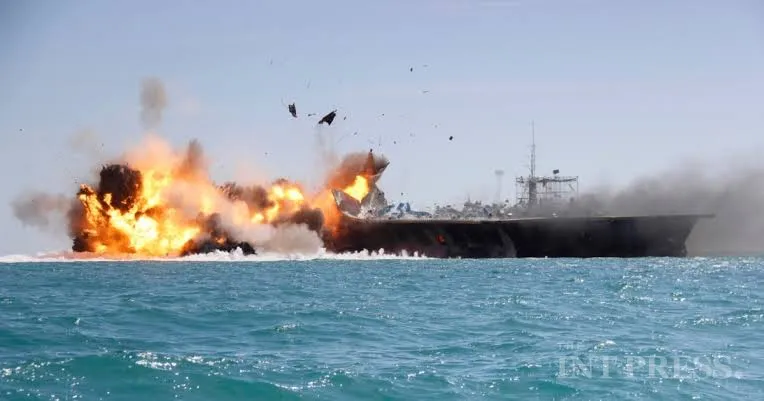
US Central Command (CENTCOM) confirmed that an American aircraft carrier and a guided-missile destroyer successfully evaded the incoming ballistic missiles. No US personnel were injured. In a rapid and deliberate response, CENTCOM forces permanently disabled three Iranian oil tankers tied to the IRGC’s shadow fleet: the M/T Downy off Kharg Island, the M/T Stark 1 near Jask, and the M/T Kylo in the Gulf of Oman.
CENTCOM’s Message and the Tanker Strikes
Adm. Brad Cooper, commander of CENTCOM, issued a blunt statement following the operation: “If you shoot at two of our ships, we will impose an even higher economic cost — taking out three of yours. We will not hesitate to defend American forces, and if necessary, destroy Iran’s limited and exposed oil fleet.”
The strikes targeted critical systems on the vessels, rendering them inoperable. The M/T Kylo was hit after its crew was ordered to abandon ship. US officials described the tankers as part of a multibillion-dollar network used to fund IRGC activities and regional proxies.
Iran’s Direct Warning to Washington
Tehran responded with a stark warning directed at the Trump administration. Iranian authorities declared that “all US naval ships are now targets” and vowed that any further strikes on Iranian vessels would trigger “multiple strikes on vessels linked to countries participating in the anti-Iranian aggression.”
Initial reports indicate that Iran has already resumed launching anti-ship cruise missiles toward a US aircraft carrier and/or vessels sailing under US Navy escort in the hours following the tanker strikes, according to early assessments.
Rising Stakes in Critical Waters
The exchange highlights the growing risk of a wider naval confrontation in one of the world’s most vital energy corridors. The Qasem Basir represents one of Iran’s more advanced ballistic systems, designed with improved guidance and countermeasure resistance. Its use against a high-value US naval asset signals a willingness by Tehran to test red lines at sea.
With both sides trading kinetic and economic blows, the situation in the Gulf of Oman remains highly volatile. Further missile activity or additional tanker strikes could rapidly expand the scope of the conflict and increase pressure on global energy markets.

Written by theintpress
Stay updated with the latest online news and top stories visit theintpress.com every day.
Read Next
Will the Mecca Alliance Attack the Houthis in Yemen?
1 month ago
US Worries: Is Iran Using New Missiles to Hit Navy Ships?
1 month ago
Iranian Oil Tanker Hit by Missiles Near Kharg Island Amid Escalating Gulf Tensio
1 month ago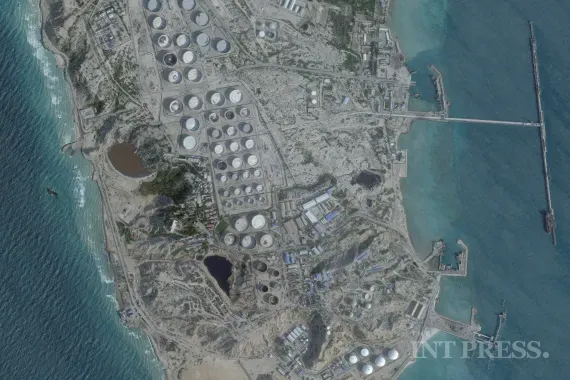
US Rejects Israeli Calls to Remove Palestinians from Gaza
2 months ago
Responses (2)
Sign in to share your thoughts.
Sign in